How Plantation Shutters Improve Privacy at Home

A front-facing lounge can feel beautifully bright in the morning, then suddenly rather exposed when the school run, dog walkers and neighbours are passing by. This is where how plantation shutters improve privacy becomes more than a design question. Their adjustable louvres allow you to welcome daylight while limiting clear views into your home, giving you control that many standard window coverings cannot match.

Plantation shutters are also a considered addition to the room itself. Made to fit the shape and size of your windows, they bring a neat, architectural finish while helping your home feel more comfortable and private at the times that matter most.

How plantation shutters improve privacy without blocking the day

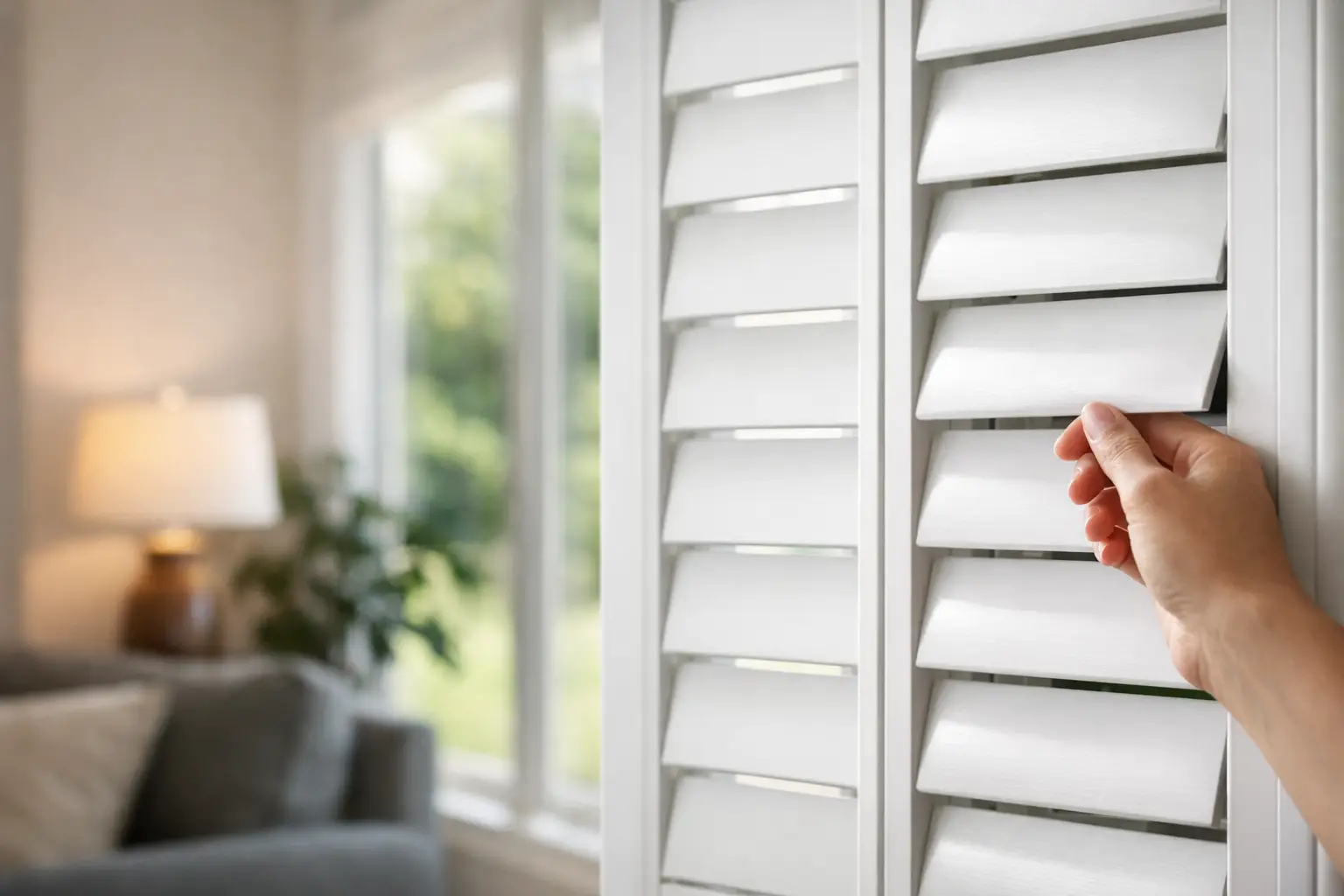
The main advantage of shutters is simple: you can alter the angle of the louvres rather than choosing between curtains fully open or fully closed. Tilt them upwards and natural light can still filter in, while the line of sight from outside is redirected towards the ceiling rather than into the room.

This is particularly helpful in ground-floor rooms, bay windows and properties close to a pavement or neighbouring houses. You may want a bright kitchen for breakfast, for example, without feeling on display to anyone walking past. With shutters, a small adjustment can make a noticeable difference.

The degree of privacy will depend on the louvre size, window position and how close others are to the property. Larger louvres create a more open, contemporary look and give a generous view when opened, but narrower louvres can offer more frequent points of adjustment. During a home consultation, these practical details are worth considering alongside the style of the room.

Privacy that works from morning to night

Privacy needs change throughout the day. Early sunlight may call for only a gentle tilt of the louvres, while evening often requires a more enclosed setting. Shutters make these transitions easy, without the bulk of drawing and arranging fabric each time.

Daytime: soften views into the room

In daylight, angled louvres are highly effective because the brighter conditions outside make it harder for people to see indoors. You can retain a sense of openness and enjoy the changing daylight, while reducing the direct view through your windows.

For rooms overlooked from an upper window, tilting the louvres upwards is often especially useful. It lets light enter while shielding the lower part of the room, where seating areas and everyday family life are most visible.

Evening: create a more enclosed feel

After dark, any window treatment needs more care. When lights are on indoors and it is dark outside, silhouettes and movement can be more visible through gaps in partially open coverings. Closing shutter panels and louvres properly provides a strong layer of privacy for the evening.

For bedrooms, bathrooms and rooms facing a busy street, this ability to close everything neatly is reassuring. If complete blackout is a priority, it is sensible to discuss this separately. Shutters can reduce incoming light very well, but small amounts of light may remain around louvres or the frame. A complementary curtain or blackout blind can be the better choice where total darkness is required.

A tailored fit leaves fewer weak points

Privacy is not only about what covers the glass. It is also about how accurately that covering fits. Ready-made blinds and curtains can leave awkward gaps at the sides, especially on unusually sized windows, bays or older properties where walls and frames are not perfectly uniform.

Made-to-measure plantation shutters are surveyed for the individual window and fitted within a purpose-made frame. This gives a tidier finish and reduces unnecessary gaps around the edges. The result feels intentional, rather than like a temporary solution added to the room.

Professional measuring is valuable here. A few millimetres can affect how panels open, where louvres sit and how evenly the finished shutters align. Careful fitting helps ensure that the shutters look balanced from indoors and from the kerb, while performing as they should day after day.

Choose the right shutter style for each room

Not every window needs the same level of coverage. One of the strengths of plantation shutters is the range of configurations available, allowing the treatment to suit both the room and your privacy needs.

Full-height shutters

Full-height shutters cover the entire window and are a popular choice for bedrooms, lounges and street-facing rooms. They can be closed fully for a more private setting, or the louvres can be adjusted to admit light during the day. A mid-rail can allow the top and bottom louvres to operate separately, which is useful when you want to shield the lower half of the window but leave the upper section more open.

Tier-on-tier shutters

Tier-on-tier shutters have independent upper and lower panels. They are a thoughtful option for homes where privacy is needed at pavement level but daylight is still welcome from above. The lower panels can remain closed while the top panels are opened, creating a bright room that does not feel overlooked.

This style works particularly well in Victorian properties and rooms with tall sash windows, though it can suit many types of home.

Café-style shutters

Café-style shutters cover the lower section of the window only. They offer privacy where it is most needed while leaving the upper glass clear. In a kitchen, breakfast room or home office, this can preserve a lovely outlook and allow plenty of daylight.

The trade-off is that café-style shutters do not provide full evening coverage on their own. They are best for windows where privacy is mainly a daytime concern, or where curtains are also used for softness and additional coverage after dark.

Shaped and bay-window shutters

Bay windows bring wonderful light into a home, but their multiple angles can make them feel exposed. Shutters can be made to follow each section of the bay, giving consistent privacy without hiding the window’s character. Similarly, shaped shutters can be designed for arches, angled windows and other distinctive features that are difficult to dress with off-the-shelf products.

Privacy does not have to mean a closed-in room

Some homeowners worry that a more private window treatment will make a room darker or smaller. In practice, shutters can make a space feel calm and ordered because they sit closely to the window and their clean lines avoid the visual weight of heavy fabric.

Colour also plays a part. White and soft neutral finishes reflect daylight and sit comfortably in both traditional and contemporary interiors. Wood-toned shutters can add warmth to a period home or a scheme with natural materials, although darker finishes may create a more dramatic effect when the panels are closed.

For rooms where softness is important, shutters can be paired with made-to-measure curtains. The shutters provide everyday light control and privacy, while curtains introduce texture, colour and a more layered finish. This combination is especially appealing in lounges and bedrooms, where practicality and comfort should sit together.

Other benefits that support a more comfortable home

Although privacy is often the starting point, shutters offer several useful benefits alongside it. Their solid structure can help soften the view of a busy road and give windows a more finished appearance from outside. They are also straightforward to maintain: a regular dust with a soft cloth or duster is usually enough to keep the louvres looking smart.

Shutters may also help with glare, which can make a real difference in a south-facing room, near a television or in a home-working space. By adjusting the louvre angle, you can reduce harsh sunlight without losing the whole room to shadow.

Material matters in areas with moisture. Bathrooms, kitchens and utility rooms may be better suited to a moisture-resistant shutter material rather than natural wood. This helps the finish remain stable and attractive where steam and splashes are part of everyday life.

Getting the balance right for your windows

The best privacy solution begins with an honest look at how you use each room. Consider when the room feels exposed, where the views come from, whether you need privacy at night as well as during the day, and how much light you want to retain. A street-level lounge, an overlooked bathroom and a sunny kitchen may all need a different approach.

At Country Interiors, the process is centred on helping homeowners make those decisions with confidence, from advice on shutter styles and finishes through to precise measuring and professional fitting. A well-chosen shutter should not simply cover a window. It should give you the freedom to enjoy your home more comfortably, with the right amount of light, outlook and privacy for everyday living.

If your windows leave you feeling overlooked, start by noticing the times and sightlines that cause the problem. That small observation can point you towards a shutter design that makes your house feel more like your own.

Leave a comment

How Plantation Shutters Improve Privacy at Home

A front-facing lounge can feel beautifully bright in the morning, then suddenly rather exposed when the school run, dog walkers and neighbours are passing by. This is where how plantation shutters improve privacy becomes more than a design question. Their adjustable louvres allow you to welcome daylight while limiting clear views into your home, giving you control that many standard window coverings cannot match.

Plantation shutters are also a considered addition to the room itself. Made to fit the shape and size of your windows, they bring a neat, architectural finish while helping your home feel more comfortable and private at the times that matter most.

How plantation shutters improve privacy without blocking the day

The main advantage of shutters is simple: you can alter the angle of the louvres rather than choosing between curtains fully open or fully closed. Tilt them upwards and natural light can still filter in, while the line of sight from outside is redirected towards the ceiling rather than into the room.

This is particularly helpful in ground-floor rooms, bay windows and properties close to a pavement or neighbouring houses. You may want a bright kitchen for breakfast, for example, without feeling on display to anyone walking past. With shutters, a small adjustment can make a noticeable difference.

The degree of privacy will depend on the louvre size, window position and how close others are to the property. Larger louvres create a more open, contemporary look and give a generous view when opened, but narrower louvres can offer more frequent points of adjustment. During a home consultation, these practical details are worth considering alongside the style of the room.

Privacy that works from morning to night

Privacy needs change throughout the day. Early sunlight may call for only a gentle tilt of the louvres, while evening often requires a more enclosed setting. Shutters make these transitions easy, without the bulk of drawing and arranging fabric each time.

Daytime: soften views into the room

In daylight, angled louvres are highly effective because the brighter conditions outside make it harder for people to see indoors. You can retain a sense of openness and enjoy the changing daylight, while reducing the direct view through your windows.

For rooms overlooked from an upper window, tilting the louvres upwards is often especially useful. It lets light enter while shielding the lower part of the room, where seating areas and everyday family life are most visible.

Evening: create a more enclosed feel

After dark, any window treatment needs more care. When lights are on indoors and it is dark outside, silhouettes and movement can be more visible through gaps in partially open coverings. Closing shutter panels and louvres properly provides a strong layer of privacy for the evening.

For bedrooms, bathrooms and rooms facing a busy street, this ability to close everything neatly is reassuring. If complete blackout is a priority, it is sensible to discuss this separately. Shutters can reduce incoming light very well, but small amounts of light may remain around louvres or the frame. A complementary curtain or blackout blind can be the better choice where total darkness is required.

A tailored fit leaves fewer weak points

Privacy is not only about what covers the glass. It is also about how accurately that covering fits. Ready-made blinds and curtains can leave awkward gaps at the sides, especially on unusually sized windows, bays or older properties where walls and frames are not perfectly uniform.

Made-to-measure plantation shutters are surveyed for the individual window and fitted within a purpose-made frame. This gives a tidier finish and reduces unnecessary gaps around the edges. The result feels intentional, rather than like a temporary solution added to the room.

Professional measuring is valuable here. A few millimetres can affect how panels open, where louvres sit and how evenly the finished shutters align. Careful fitting helps ensure that the shutters look balanced from indoors and from the kerb, while performing as they should day after day.

Choose the right shutter style for each room

Not every window needs the same level of coverage. One of the strengths of plantation shutters is the range of configurations available, allowing the treatment to suit both the room and your privacy needs.

Full-height shutters

Full-height shutters cover the entire window and are a popular choice for bedrooms, lounges and street-facing rooms. They can be closed fully for a more private setting, or the louvres can be adjusted to admit light during the day. A mid-rail can allow the top and bottom louvres to operate separately, which is useful when you want to shield the lower half of the window but leave the upper section more open.

Tier-on-tier shutters

Tier-on-tier shutters have independent upper and lower panels. They are a thoughtful option for homes where privacy is needed at pavement level but daylight is still welcome from above. The lower panels can remain closed while the top panels are opened, creating a bright room that does not feel overlooked.

This style works particularly well in Victorian properties and rooms with tall sash windows, though it can suit many types of home.

Café-style shutters

Café-style shutters cover the lower section of the window only. They offer privacy where it is most needed while leaving the upper glass clear. In a kitchen, breakfast room or home office, this can preserve a lovely outlook and allow plenty of daylight.

The trade-off is that café-style shutters do not provide full evening coverage on their own. They are best for windows where privacy is mainly a daytime concern, or where curtains are also used for softness and additional coverage after dark.

Shaped and bay-window shutters

Bay windows bring wonderful light into a home, but their multiple angles can make them feel exposed. Shutters can be made to follow each section of the bay, giving consistent privacy without hiding the window’s character. Similarly, shaped shutters can be designed for arches, angled windows and other distinctive features that are difficult to dress with off-the-shelf products.

Privacy does not have to mean a closed-in room

Some homeowners worry that a more private window treatment will make a room darker or smaller. In practice, shutters can make a space feel calm and ordered because they sit closely to the window and their clean lines avoid the visual weight of heavy fabric.

Colour also plays a part. White and soft neutral finishes reflect daylight and sit comfortably in both traditional and contemporary interiors. Wood-toned shutters can add warmth to a period home or a scheme with natural materials, although darker finishes may create a more dramatic effect when the panels are closed.

For rooms where softness is important, shutters can be paired with made-to-measure curtains. The shutters provide everyday light control and privacy, while curtains introduce texture, colour and a more layered finish. This combination is especially appealing in lounges and bedrooms, where practicality and comfort should sit together.

Other benefits that support a more comfortable home

Although privacy is often the starting point, shutters offer several useful benefits alongside it. Their solid structure can help soften the view of a busy road and give windows a more finished appearance from outside. They are also straightforward to maintain: a regular dust with a soft cloth or duster is usually enough to keep the louvres looking smart.

Shutters may also help with glare, which can make a real difference in a south-facing room, near a television or in a home-working space. By adjusting the louvre angle, you can reduce harsh sunlight without losing the whole room to shadow.

Material matters in areas with moisture. Bathrooms, kitchens and utility rooms may be better suited to a moisture-resistant shutter material rather than natural wood. This helps the finish remain stable and attractive where steam and splashes are part of everyday life.

Getting the balance right for your windows

The best privacy solution begins with an honest look at how you use each room. Consider when the room feels exposed, where the views come from, whether you need privacy at night as well as during the day, and how much light you want to retain. A street-level lounge, an overlooked bathroom and a sunny kitchen may all need a different approach.

At Country Interiors, the process is centred on helping homeowners make those decisions with confidence, from advice on shutter styles and finishes through to precise measuring and professional fitting. A well-chosen shutter should not simply cover a window. It should give you the freedom to enjoy your home more comfortably, with the right amount of light, outlook and privacy for everyday living.

If your windows leave you feeling overlooked, start by noticing the times and sightlines that cause the problem. That small observation can point you towards a shutter design that makes your house feel more like your own.

Leave a comment